Calling on Milton in a fallen age
To Milton
"When Cromwell spake the word Democracy!"
Poem
Milton! I think thy spirit hath passed awayFrom these white cliffs and high-embattled towers;This gorgeous fiery-coloured world of oursSeems fallen into ashes dull and grey,And the age changed unto a mimic playWherein we waste our else too-crowded hours:For all our pomp and pageantry and powersWe are but fit to delve the common clay,Seeing this little isle on which we stand,This England, this sea-lion of the sea,By ignorant demagogues is held in fee,Who love her not: Dear God! is this the landWhich bare a triple empire in her handWhen Cromwell spake the word Democracy!
In brief
SummaryA sonnet addressed to Milton, lamenting that his spirit has left England. The speaker finds the present age dull and grey, 'a mimic play' in which, for all 'our pomp and pageantry and powers', people are fit only for the humblest labour. England, 'this sea-lion of the sea', is held in the grip of 'ignorant demagogues' who do not love her. The poem ends with an indignant question: can this be the land that held 'a triple empire in her hand / When Cromwell spake the word Democracy'?
Key themes
"Milton! I think thy spirit hath passed away"
Summary
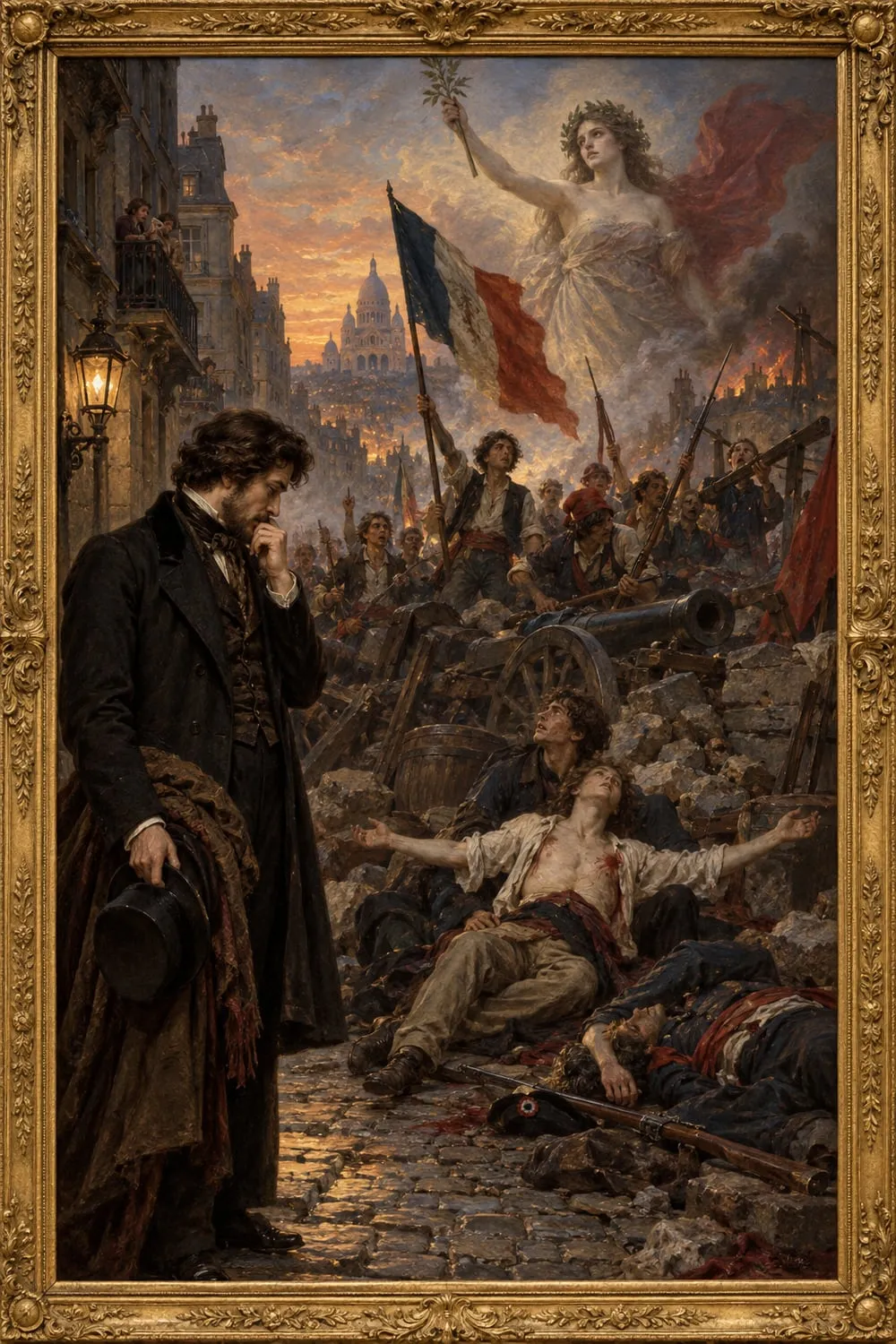
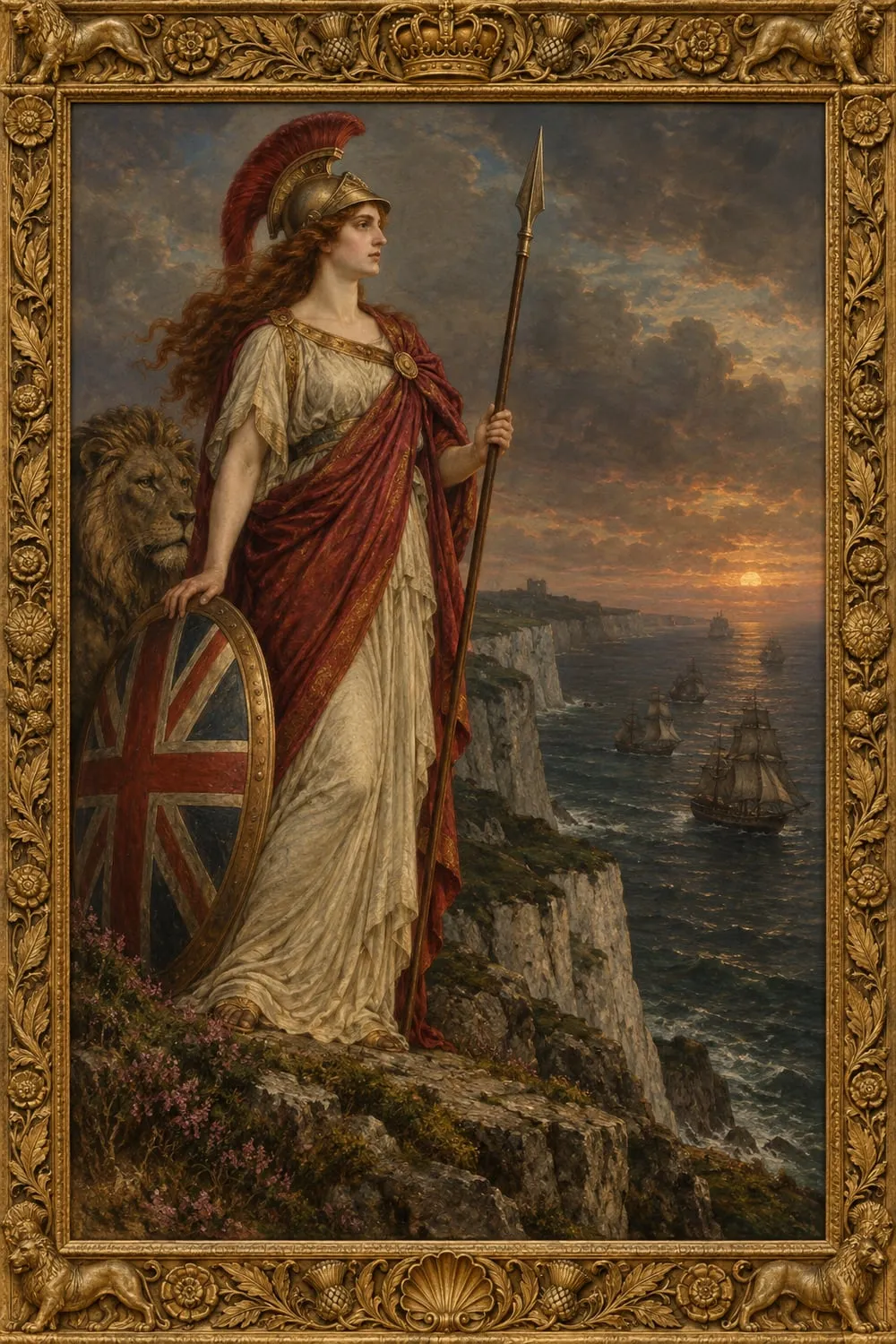
The octave addresses Milton directly: 'Milton! I think thy spirit hath passed away / From these white cliffs and high-embattled towers'. The 'gorgeous fiery-coloured world' has fallen 'into ashes dull and grey', and the age has become 'a mimic play' in which crowded hours are wasted. For all 'our pomp and pageantry and powers', the speaker says, the people of this age are fit only to work 'the common clay'.
The sestet gives the reason. 'This little isle', 'This England, this sea-lion of the sea', is 'held in fee' by 'ignorant demagogues' who 'love her not'. The speaker breaks out, 'Dear God!', and asks whether this can be the same land 'Which bare a triple empire in her hand / When Cromwell spake the word Democracy!' The poem sets the England of Milton and Cromwell against a present that has forgotten them.
Characters
Milton
The departed spirit
The poet addressed in the sonnet's first word, whose spirit the speaker believes 'hath passed away / From these white cliffs and high-embattled towers'. He stands for an earlier, nobler England, which the sonnet links with Cromwell and sets against the present age.
Cromwell
Voice of old democracy
Named in the last line, Cromwell stands for the England that held 'a triple empire in her hand'. The sonnet ends with the moment 'When Cromwell spake the word Democracy', set against the 'ignorant demagogues' of the speaker's own day.
Themes
A fallen age
The octave measures the present against the past and finds it shrunken. The 'gorgeous fiery-coloured world' has become 'ashes dull and grey', and public life is 'a mimic play'. Even 'pomp and pageantry and powers' cannot hide the decline. Milton's absence is the sign of it: his spirit 'hath passed away / From these white cliffs'.
Democracy true and false
The poem sets two kinds of popular rule against each other. The present is governed by 'ignorant demagogues', who hold England 'in fee' and 'love her not'. Against them stands Cromwell's time, when England 'bare a triple empire in her hand' and Cromwell 'spake the word Democracy'. The same word means greatness in one age and misrule in another.
Quotes
Context
The sonnet belongs to 'Eleutheria', the group of poems on liberty and politics in Wilde's collected poems. Like 'Quantum Mutata' in the same group, it looks back to Cromwell's England and to Milton as standards the present fails to meet, and it shares with 'Ave Imperatrix' the image of England as a 'sea-lion'.
About this edition
- Text: the complete work from Standard Ebooks, released into the public domain (CC0 1.0). We change only the layout.
- Download the EPUB of the whole book it comes from, free, for any e-reader.
- Every quotation and glossary word in these notes is checked against the text.