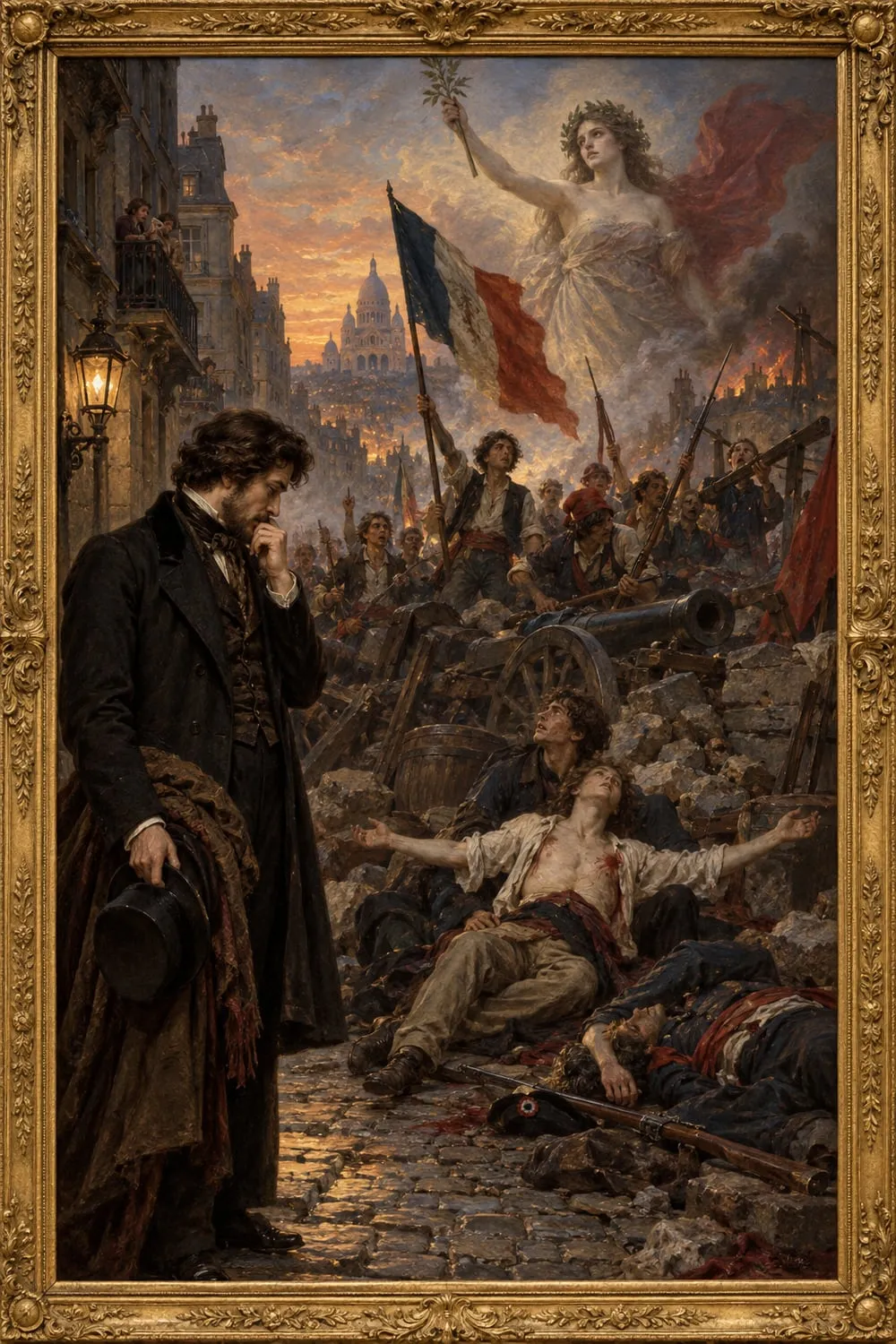
Liberty loved for its roar
Sonnet to Liberty
"God knows it I am with them, in some things."
Poem
Not that I love thy children, whose dull eyesSee nothing save their own unlovely woe,Whose minds know nothing, nothing care to know—But that the roar of thy Democracies,Thy reigns of Terror, thy great Anarchies,Mirror my wildest passions like the seaAnd give my rage a brother—! Liberty!For this sake only do thy dissonant criesDelight my discreet soul, else might all kingsBy bloody knout or treacherous cannonadesRob nations of their rights inviolateAnd I remain unmoved—and yet, and yet,These Christs that die upon the barricades,God knows it I am with them, in some things.
In brief
SummaryA sonnet addressed to Liberty that praises her in an unexpected way. The speaker does not love her 'children', whose minds 'know nothing, nothing care to know'. What delights the speaker is the roar of her 'Democracies', 'reigns of Terror' and 'great Anarchies', because it mirrors the speaker's own 'wildest passions' and gives that rage 'a brother'. But for that bond, kings could crush nations by knout and cannon and leave the speaker unmoved. Yet the poem ends on a grudging admission: with 'These Christs that die upon the barricades', the speaker is 'with them, in some things'.
Key themes
"Mirror my wildest passions like the sea"
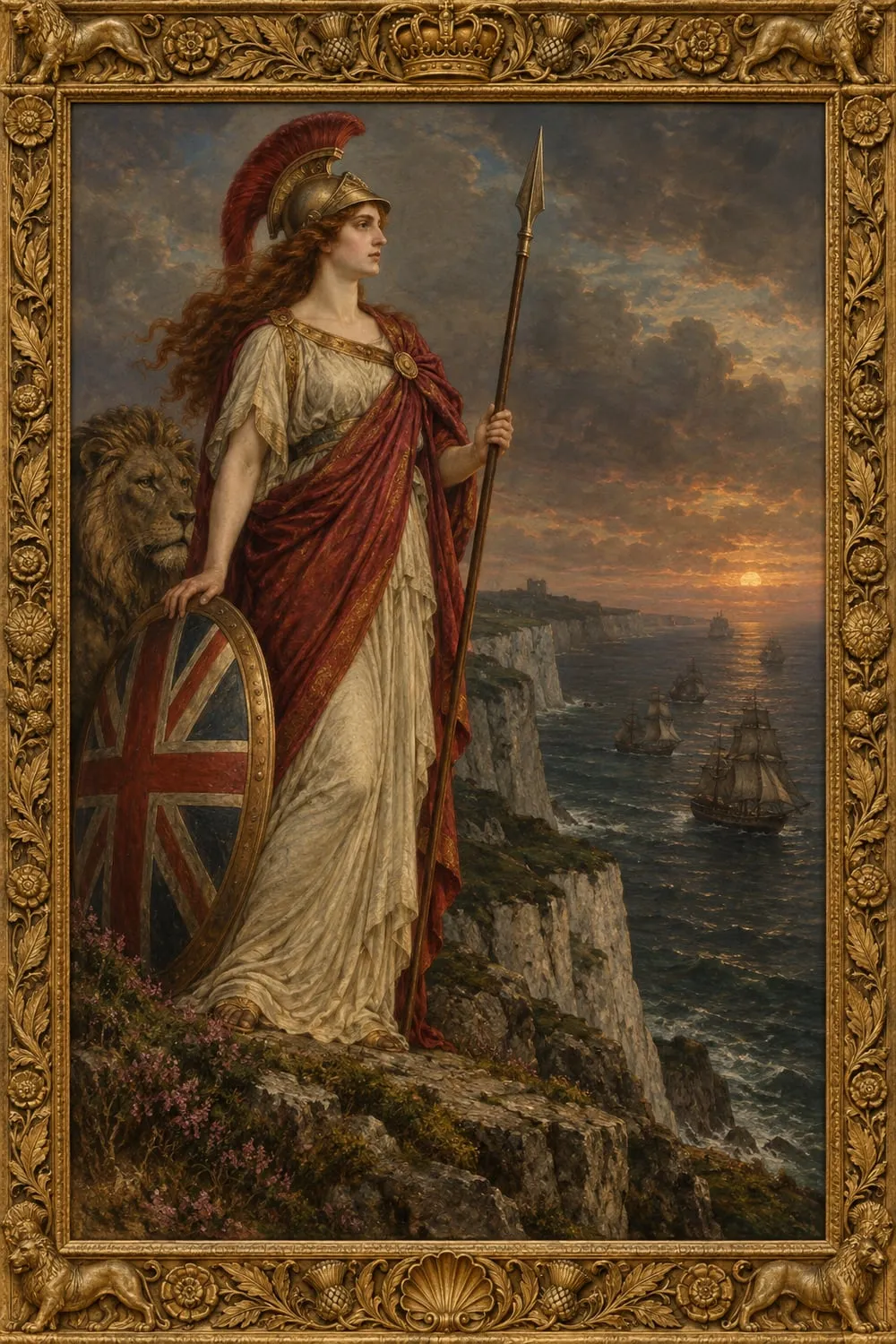
Summary
The sonnet opens with a denial. The speaker does not love Liberty's children, 'whose dull eyes / See nothing save their own unlovely woe', and whose minds 'know nothing, nothing care to know'. What draws the speaker is 'the roar of thy Democracies, / Thy reigns of Terror, thy great Anarchies', which 'Mirror my wildest passions like the sea / And give my rage a brother'. For this reason only, the speaker says, Liberty's 'dissonant cries / Delight my discreet soul'.
Without that bond of feeling, the speaker admits, kings might 'Rob nations of their rights inviolate' by 'bloody knout or treacherous cannonades', and the speaker would 'remain unmoved'. Then comes the turn, 'and yet, and yet'. Those who die for the cause are 'These Christs that die upon the barricades', and the speaker ends with a reluctant confession of fellow feeling: 'God knows it I am with them, in some things.'
Characters
The speaker
The detached rebel
A voice that claims to care nothing for the suffering masses and to feel only the thrill of revolution, which gives its 'rage a brother'. The speaker admits that kings could crush whole nations without stirring that 'discreet soul', yet ends half won over by those who die on the barricades.
Liberty
Mother of revolutions
The figure the sonnet addresses, mother of 'children' whose 'dull eyes' see only their own woe. Her voice is the 'roar' of democracies, terrors and anarchies, and her 'dissonant cries' are what the speaker loves in her.
Themes
Liberty as passion
The speaker loves Liberty for her noise, not her justice. Her 'Democracies', 'reigns of Terror' and 'great Anarchies' appeal because they 'Mirror my wildest passions like the sea'. The contradiction is deliberate: a 'discreet soul' delights in 'dissonant cries', finding in revolution an outlet for a private rage rather than a cause to serve.
Reluctant sympathy
The poem is full of qualifications: 'Not that', 'For this sake only', 'and yet, and yet'. It ends with the most guarded of confessions, 'in some things', but the image just before it is the strongest in the poem: those who die for liberty are 'Christs', sacrificed 'upon the barricades'. Admiration breaks through the speaker's coolness at the last.
Quotes
Context
The sonnet belongs to 'Eleutheria', the group of poems on liberty and politics in Wilde's collected poems; the Greek word means freedom. Its address to Liberty, with its images of 'reigns of Terror' and 'the barricades', places it among the group's poems on revolution. Its feelings are mixed: fascination with upheaval, contempt for the crowd and a last-minute sympathy for those who die.
About this edition
- Text: the complete work from Standard Ebooks, released into the public domain (CC0 1.0). We change only the layout.
- Download the EPUB of the whole book it comes from, free, for any e-reader.
- Every quotation and glossary word in these notes is checked against the text.