A dead prince and a free France
Louis Napoleon
"Eagle of Austerlitz! where were thy wings"
Poem
Eagle of Austerlitz! where were thy wingsWhen far away upon a barbarous strand,In fight unequal, by an obscure hand,Fell the last scion of thy brood of Kings!
Poor boy! thou shalt not flaunt thy cloak of red,Or ride in state through Paris in the vanOf thy returning legions, but insteadThy mother France, free and republican,
Shall on thy dead and crownless forehead placeThe better laurels of a soldier’s crown,That not dishonoured should thy soul go downTo tell the mighty Sire of thy race
That France hath kissed the mouth of Liberty,And found it sweeter than his honied bees,And that the giant wave DemocracyBreaks on the shores where Kings lay couched at ease.
In brief
SummaryA short elegy in four quatrains for the young man named in the title, 'the last scion' of a line of kings sprung from the 'Eagle of Austerlitz'. He has fallen 'far away upon a barbarous strand, / In fight unequal, by an obscure hand', and the speaker asks where the eagle's wings were then. He will never ride in state through Paris at the head of returning legions. Instead France, now 'free and republican', crowns him with 'a soldier's crown', so that he may tell his great ancestor that France has chosen Liberty and that Democracy is breaking on the shores of kings.
Key themes
"Fell the last scion of thy brood of Kings!"
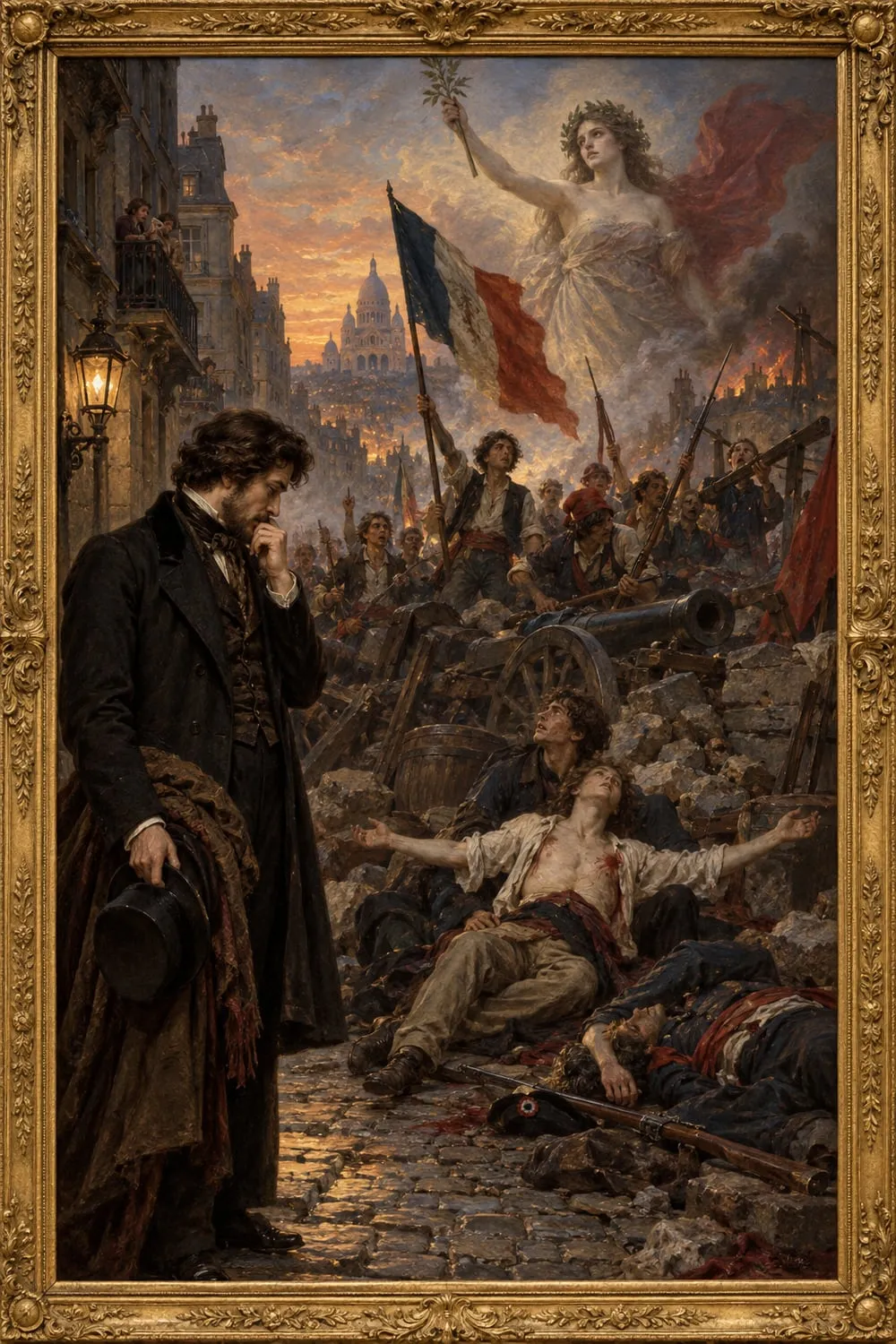
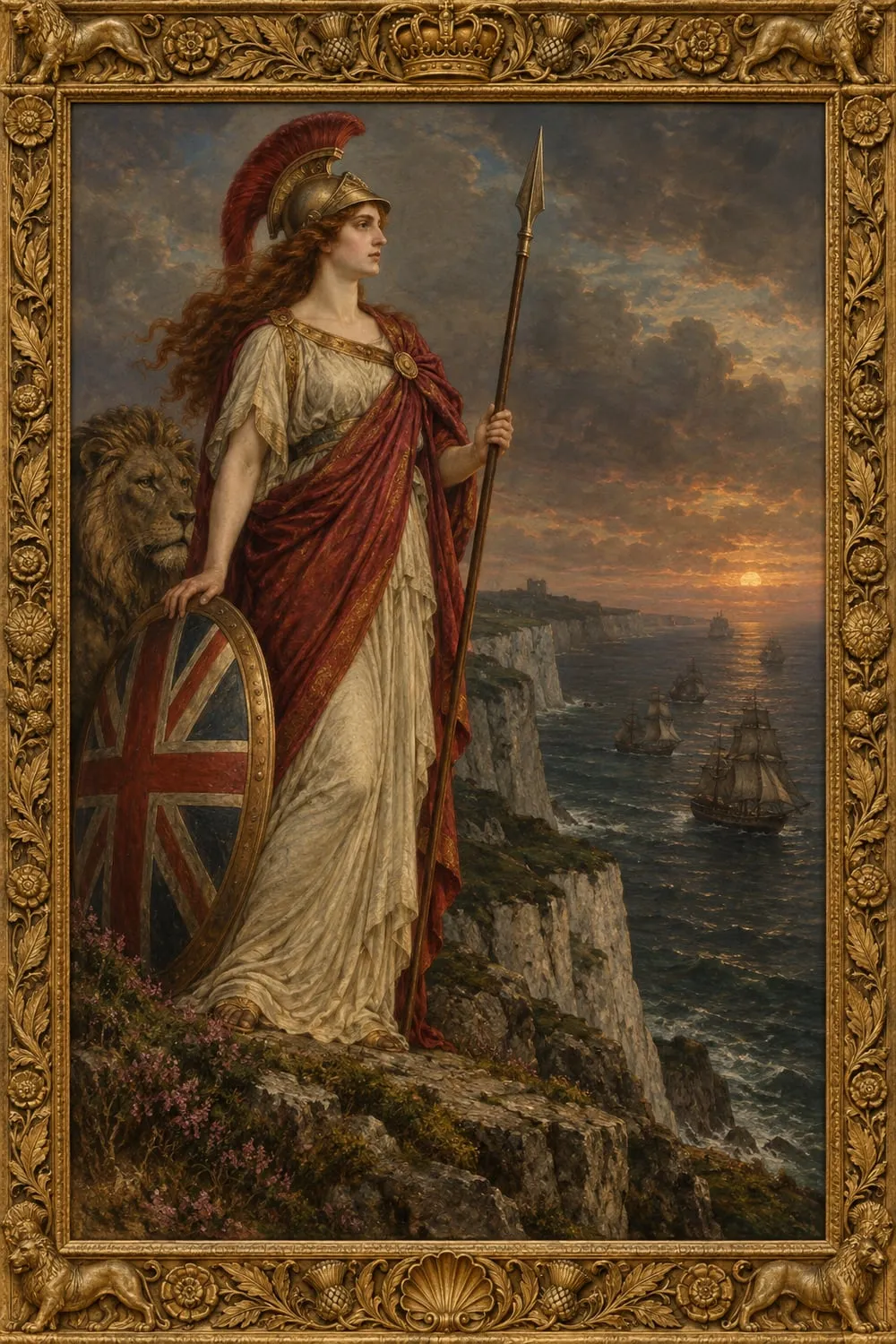
Summary
The first stanza asks the 'Eagle of Austerlitz' where its wings were when, 'far away upon a barbarous strand, / In fight unequal, by an obscure hand', there 'Fell the last scion of thy brood of Kings'. The second addresses the dead man as 'Poor boy!': he will not 'flaunt thy cloak of red' or 'ride in state through Paris in the van / Of thy returning legions', as a restored heir might have done.
Instead, 'Thy mother France, free and republican', will place on his 'dead and crownless forehead' the 'better laurels of a soldier's crown', so that his soul does not go down dishonoured. There he is to tell 'the mighty Sire of thy race' that France 'hath kissed the mouth of Liberty, / And found it sweeter than his honied bees', and that 'the giant wave Democracy / Breaks on the shores where Kings lay couched at ease.' The elegy for one young man becomes a farewell to his whole line.
Characters
Louis Napoleon
The last imperial heir
The young man named in the title, 'the last scion' of a line of kings sprung from the 'Eagle of Austerlitz'. He falls far away 'upon a barbarous strand', in unequal fight, and the speaker calls him 'Poor boy!', denying him a triumphal return to Paris but granting him a soldier's laurels.
France
The free mother
Addressed as the dead prince's mother, now 'free and republican'. She crowns his 'crownless forehead' with a soldier's laurels rather than a king's, and has 'kissed the mouth of Liberty', finding it sweeter than the old imperial glory.
The Eagle of Austerlitz
The mighty Sire
The founder of the prince's 'brood of Kings', called by the name of his great victory and later 'the mighty Sire of thy race'. The honied bees are his, and the dead prince's soul is sent down to tell him that France now prefers Liberty.
Themes
Honour without a throne
The poem denies the dead prince his dynastic future, 'thou shalt not flaunt thy cloak of red', but gives him something it calls better: 'The better laurels of a soldier's crown'. He died 'In fight unequal', and the republic honours his courage rather than his birth, so that 'not dishonoured should thy soul go down'.
Republic over empire
The prince's death becomes an announcement that his line's claims are over. France is 'free and republican'; she has 'kissed the mouth of Liberty' and found it sweeter than the imperial 'honied bees'; and 'the giant wave Democracy / Breaks on the shores where Kings lay couched at ease.' The elegy ends as a political declaration.
Context
The poem belongs to 'Eleutheria', the group of poems on liberty and politics in Wilde's collected poems. The title names its subject; the poem itself calls him only 'Poor boy!' and 'the last scion' of his line, fallen 'far away upon a barbarous strand'. It is written in four quatrains and, like other poems in the group, ends by setting Liberty and Democracy against the power of kings.
About this edition
- Text: the complete work from Standard Ebooks, released into the public domain (CC0 1.0). We change only the layout.
- Download the EPUB of the whole book it comes from, free, for any e-reader.
- Every quotation and glossary word in these notes is checked against the text.