Withdrawing from politics into Art
Theoretikos
"Neither for God, nor for his enemies."
Poem
This mighty empire hath but feet of clay:Of all its ancient chivalry and mightOur little island is forsaken quite:Some enemy hath stolen its crown of bay,And from its hills that voice hath passed awayWhich spake of Freedom: O come out of it,Come out of it, my Soul, thou art not fitFor this vile traffic-house, where day by dayWisdom and reverence are sold at mart,And the rude people rage with ignorant criesAgainst an heritage of centuries.It mars my calm: wherefore in dreams of ArtAnd loftiest culture I would stand apart,Neither for God, nor for his enemies.
In brief
SummaryA sonnet in which the speaker turns away from public life. The empire 'hath but feet of clay', its ancient chivalry is gone, and the voice 'Which spake of Freedom' has left its hills. The speaker bids the soul 'come out of it', calling the nation a 'vile traffic-house' where 'Wisdom and reverence are sold at mart' and the people rage against their heritage. Since this 'mars my calm', the speaker chooses to 'stand apart' in 'dreams of Art / And loftiest culture', siding 'Neither for God, nor for his enemies'.
Key themes
"This mighty empire hath but feet of clay:"
Summary
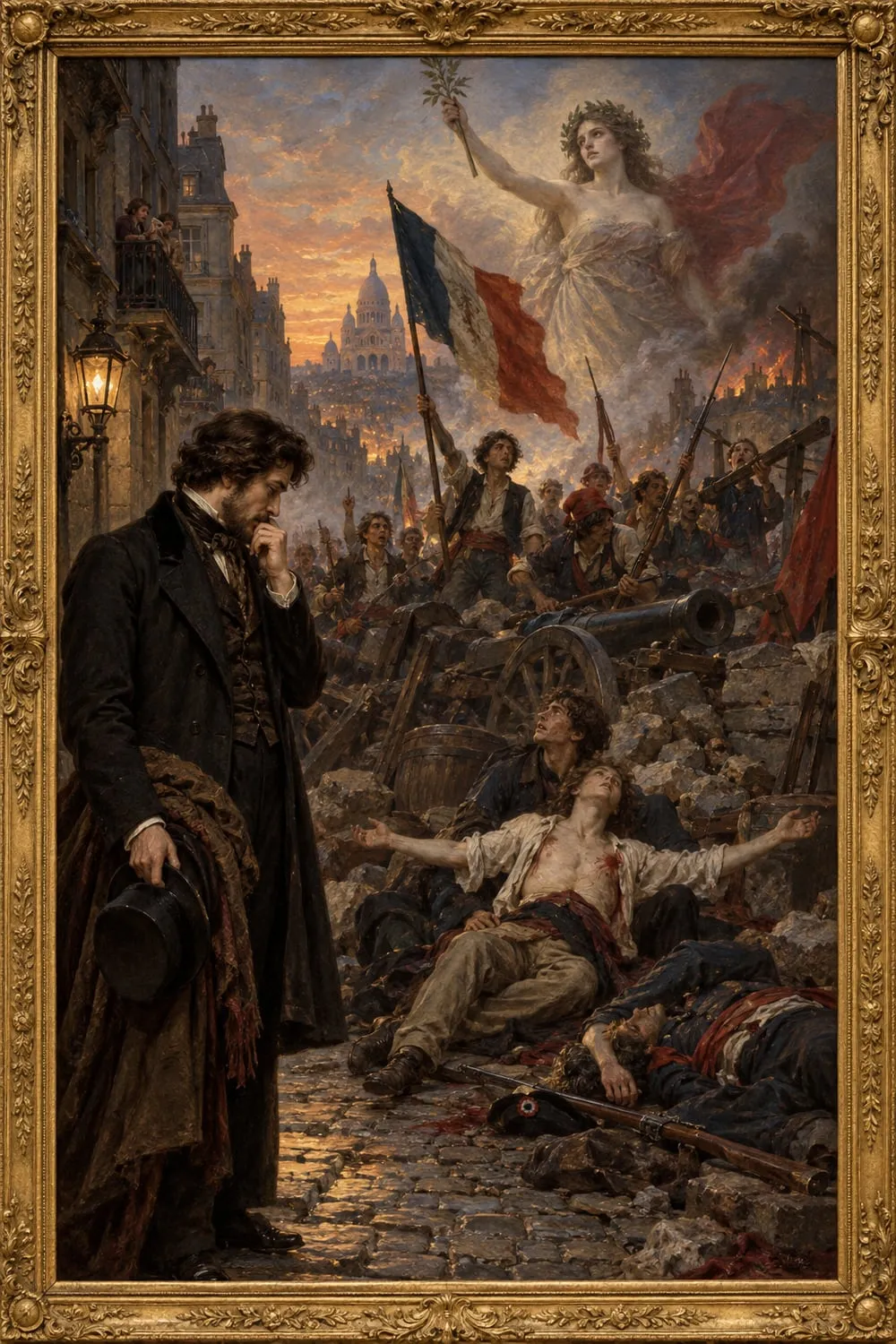
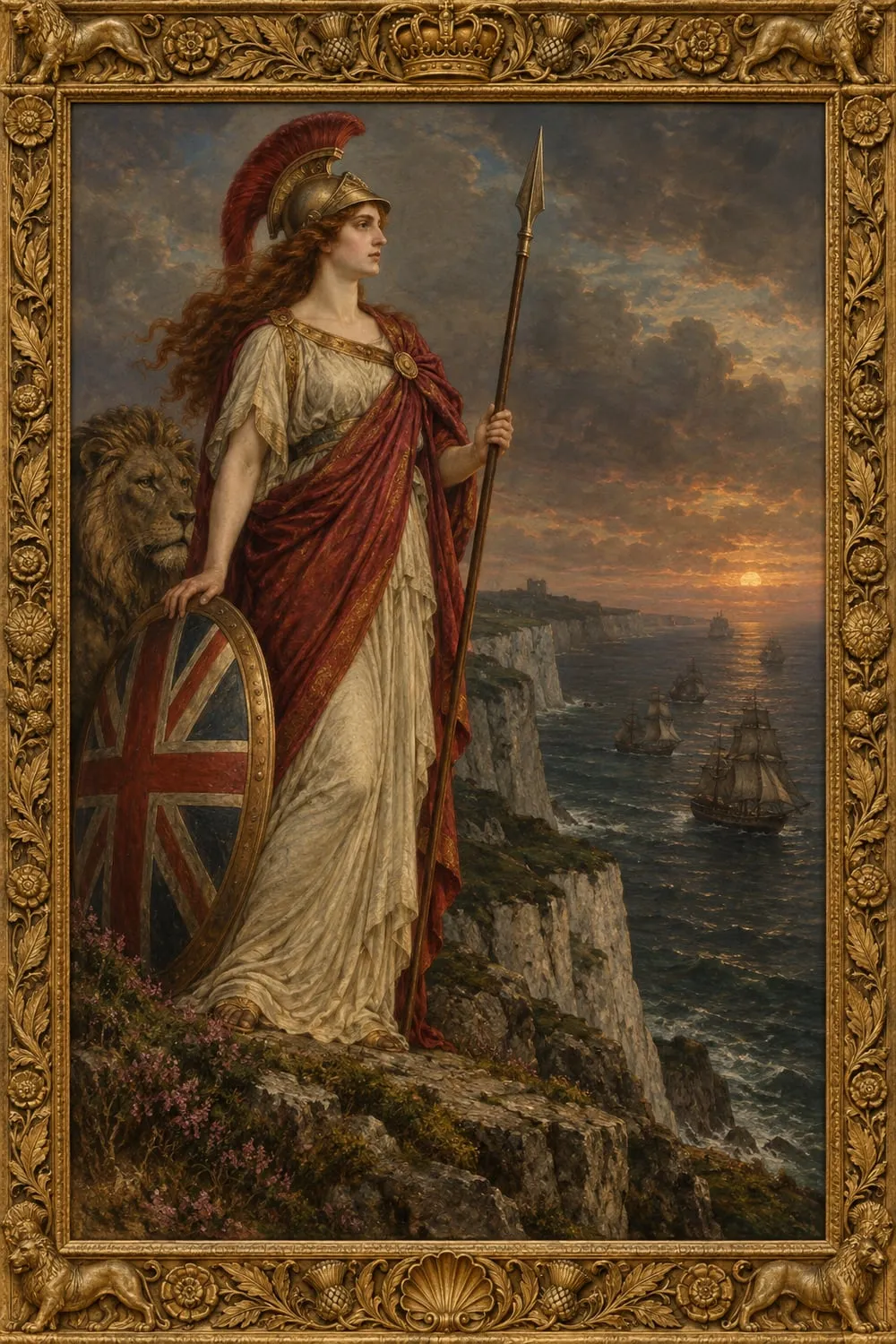
The octave describes the decline of the nation: 'This mighty empire hath but feet of clay'. The 'little island' has lost 'all its ancient chivalry and might'; 'Some enemy hath stolen its crown of bay', and the voice 'Which spake of Freedom' has passed away from its hills. In the middle of the sixth line the speaker breaks off with a cry to the self: 'O come out of it, / Come out of it, my Soul, thou art not fit / For this vile traffic-house'.
The sestet describes that traffic-house, where 'Wisdom and reverence are sold at mart, / And the rude people rage with ignorant cries / Against an heritage of centuries'. 'It mars my calm', the speaker says, and so resolves to 'stand apart' in 'dreams of Art / And loftiest culture', taking neither side in the struggle: 'Neither for God, nor for his enemies.'
Characters
The speaker
The withdrawing observer
A voice dismayed by an empire given over to trade and by a people raging 'with ignorant cries'. The speaker urges the soul to leave this 'vile traffic-house' and chooses to stand apart in 'dreams of Art', siding neither with God nor with his enemies.
Themes
A nation in decline
The first line pictures hidden weakness: the empire stands on 'feet of clay'. Chivalry and might have gone, 'Some enemy hath stolen its crown of bay', and the voice of Freedom has 'passed away'. The present is a marketplace, a 'vile traffic-house' where even 'Wisdom and reverence are sold', and where the people rage against what the centuries have handed down.
The retreat into Art
The title means 'contemplative', and the poem chooses the contemplative life. The speaker's call, 'come out of it, / Come out of it, my Soul', leads to a deliberate withdrawal: 'in dreams of Art / And loftiest culture I would stand apart'. The final line refuses every side, 'Neither for God, nor for his enemies', making detachment itself a position.
Quotes
Context
The sonnet belongs to 'Eleutheria', the group of poems on liberty and politics in Wilde's collected poems, yet it ends by withdrawing from politics altogether. Its title is a Greek word meaning 'contemplative', naming the life of thought and art that the speaker chooses over public strife.
About this edition
- Text: the complete work from Standard Ebooks, released into the public domain (CC0 1.0). We change only the layout.
- Download the EPUB of the whole book it comes from, free, for any e-reader.
- Every quotation and glossary word in these notes is checked against the text.