England fallen from republican greatness
Quantum Mutata
"Else might we still be Milton's heritors."
Poem
There was a time in Europe long agoWhen no man died for freedom anywhere,But England’s lion leaping from its lairLaid hands on the oppressor! it was soWhile England could a great Republic show.Witness the men of Piedmont, chiefest careOf Cromwell, when with impotent despairThe Pontiff in his painted porticoTrembled before our stern ambassadors.How comes it then that from such high estateWe have thus fallen, save that LuxuryWith barren merchandise piles up the gateWhere noble thoughts and deeds should enter by:Else might we still be Milton’s heritors.
In brief
SummaryA sonnet comparing England's present with her past. Long ago, the speaker says, whenever men died for freedom, 'England's lion leaping from its lair' struck at the oppressor, 'While England could a great Republic show'. Cromwell protected the men of Piedmont, and the Pope 'Trembled before our stern ambassadors'. The sestet asks how England has fallen so far, and answers that Luxury, 'With barren merchandise', blocks the gate through which noble thoughts and deeds should enter. Without it, the English might still be 'Milton's heritors'.
Key themes
"While England could a great Republic show."
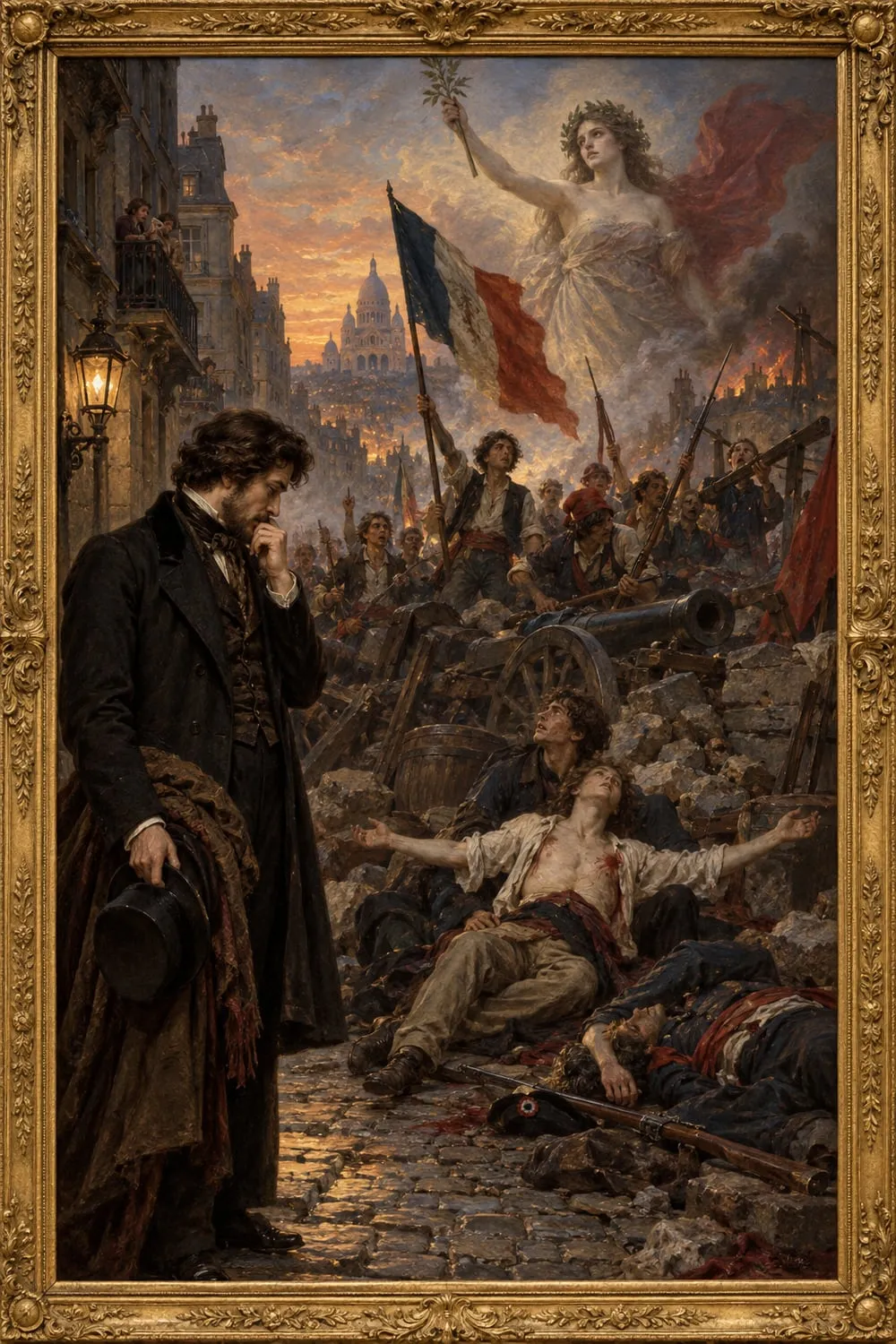
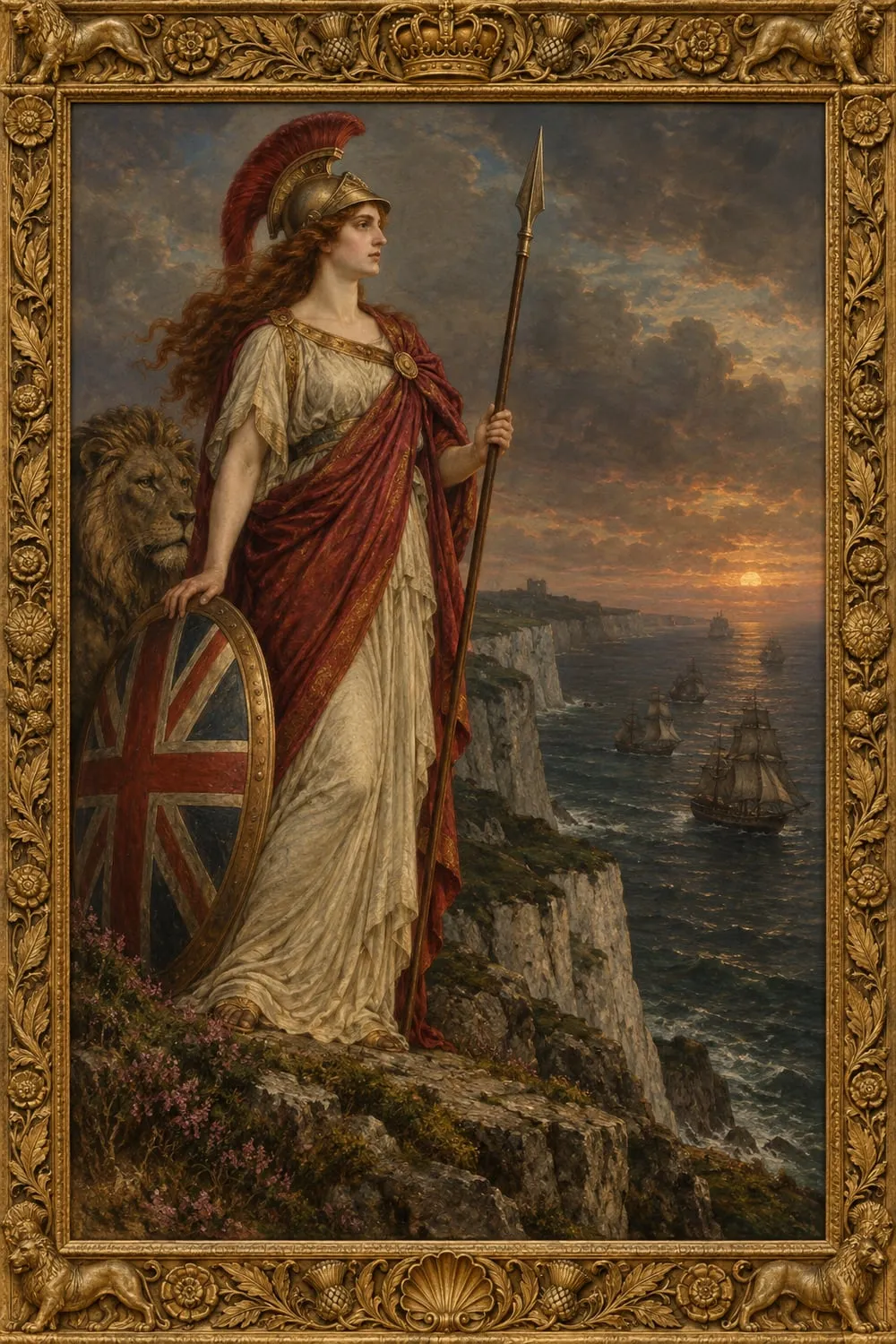
Summary
The octave recalls 'a time in Europe long ago / When no man died for freedom anywhere' without 'England's lion leaping from its lair' to lay hands on the oppressor. That was so, the speaker says, 'While England could a great Republic show'. The example given is 'the men of Piedmont, chiefest care / Of Cromwell', in the days when 'The Pontiff in his painted portico / Trembled before our stern ambassadors'.
The sestet asks, 'How comes it then that from such high estate / We have thus fallen', and gives a single answer: 'Luxury / With barren merchandise piles up the gate / Where noble thoughts and deeds should enter by'. Wealth and trade have blocked the way to greatness, heaping goods where ideals should pass. The last line names what has been lost: 'Else might we still be Milton's heritors', heirs to the poet of the republic the octave remembers.
Characters
Cromwell
Guardian of the oppressed
The leader of England in the republican age the sonnet recalls. The men of Piedmont were his 'chiefest care', and in his day the Pope trembled before English ambassadors. He stands for an England that acted for freedom beyond its shores.
Themes
Past greatness
The Latin title, 'how greatly changed', sets the poem's measure. England's republican past is heroic: its lion leaps 'from its lair' to defend freedom abroad, Cromwell makes 'the men of Piedmont' his 'chiefest care', and even 'The Pontiff in his painted portico' trembles 'before our stern ambassadors'. The present is judged against that 'high estate'.
Luxury and decline
The sestet names the cause of the fall: 'Luxury / With barren merchandise piles up the gate / Where noble thoughts and deeds should enter by'. Trade and comfort do not merely distract; they block the way. The final line, 'Else might we still be Milton's heritors', makes the loss a spiritual inheritance as much as a political one.
Quotes
Context
The sonnet belongs to 'Eleutheria', the group of poems on liberty and politics in Wilde's collected poems. Its Latin title means 'how greatly changed'. It shares its subject with 'To Milton' in the same group: both look back to Cromwell's England and to Milton as standards that the present fails to meet.
About this edition
- Text: the complete work from Standard Ebooks, released into the public domain (CC0 1.0). We change only the layout.
- Download the EPUB of the whole book it comes from, free, for any e-reader.
- Every quotation and glossary word in these notes is checked against the text.