The clouds rise singing over Athens
Chorus of Cloud Maidens
"To the peaks of the pine-covered mountains where the pines hang as tresses of hair."
Poem
Ἀριστοφανους Νεφέλαι, 275–290, 298–313.
Στροφή
Cloud maidens that float on for ever,Dew-sprinkled, fleet bodies, and fair,Let us rise from our Sire’s loud river,Great Ocean, and soar through the airTo the peaks of the pine-covered mountains where the pines hang as tresses of hair.Let us seek the watch-towers undaunted,Where the well-watered corn-fields abound,And through murmurs of rivers nymph-hauntedThe songs of the sea-waves resound;And the sun in the sky never wearies of spreading his radiance around.Let us cast off the hazeOf the mists from our band,Till with far-seeing gazeWe may look on the land.
Άντιστροφή
Cloud maidens that bring the rain-shower,To the Pallas-loved land let us wing,To the land of stout heroes and Power,Where Kekrops was hero and king,Where honour and silence is givenTo the mysteries that none may declare,Where are gifts to the high gods in heavenWhen the house of the gods is laid bare,Where are lofty roofed temples, and statues well carven and fair;Where are feasts to the happy immortalsWhen the sacred procession draws near,Where garlands make bright the bright portalsAt all seasons and months in the year;And when spring days are here,Then we tread to the wine-god a measure,In Bacchanal dance and in pleasure,’Mid the contests of sweet singing choirs,And the crash of loud lyres.
In brief
SummaryThe poem renders a chorus from Aristophanes' comedy The Clouds, as its Greek subtitle shows, citing lines 275 to 290 and 298 to 313. In the strophe the cloud maidens rise from their father, Great Ocean, and soar to the pine-covered peaks, looking down on cornfields, rivers and sea as they cast off their mist to see the land. In the antistrophe they fly to the 'Pallas-loved land' of Athens and praise its heroes, its secret mysteries, its temples and processions, ending with the spring festival of the wine-god, with dancing, singing choirs and 'the crash of loud lyres'.
Key themes
"And the sun in the sky never wearies of spreading his radiance around."
Related works
Explore more of Wilde's writing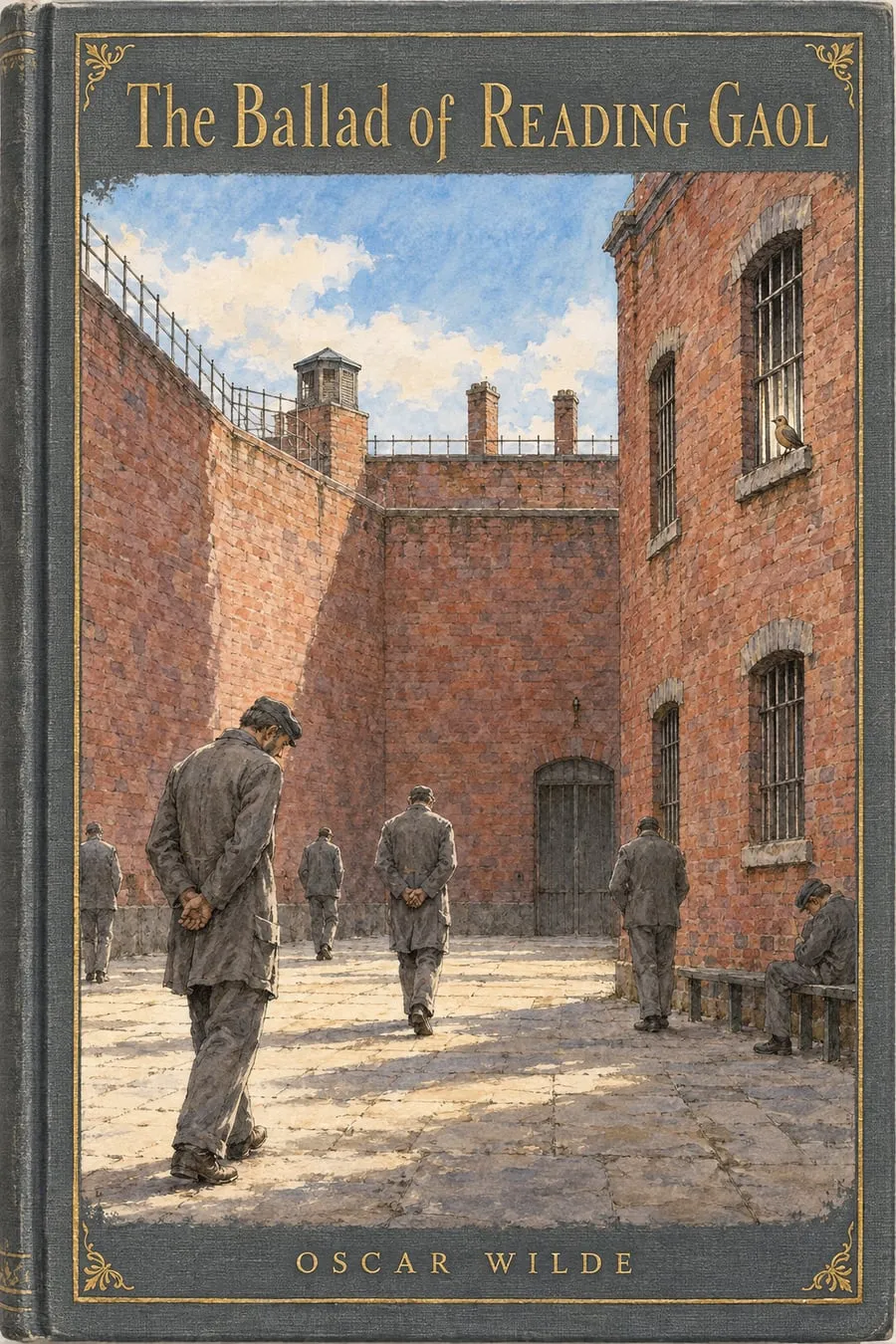 The Ballad of Reading GaolWritten after his release from prison, a long ballad about the hanging of a fellow prisoner, a trooper who had killed his wife. Wilde's last work, and his most read poem.Read more
 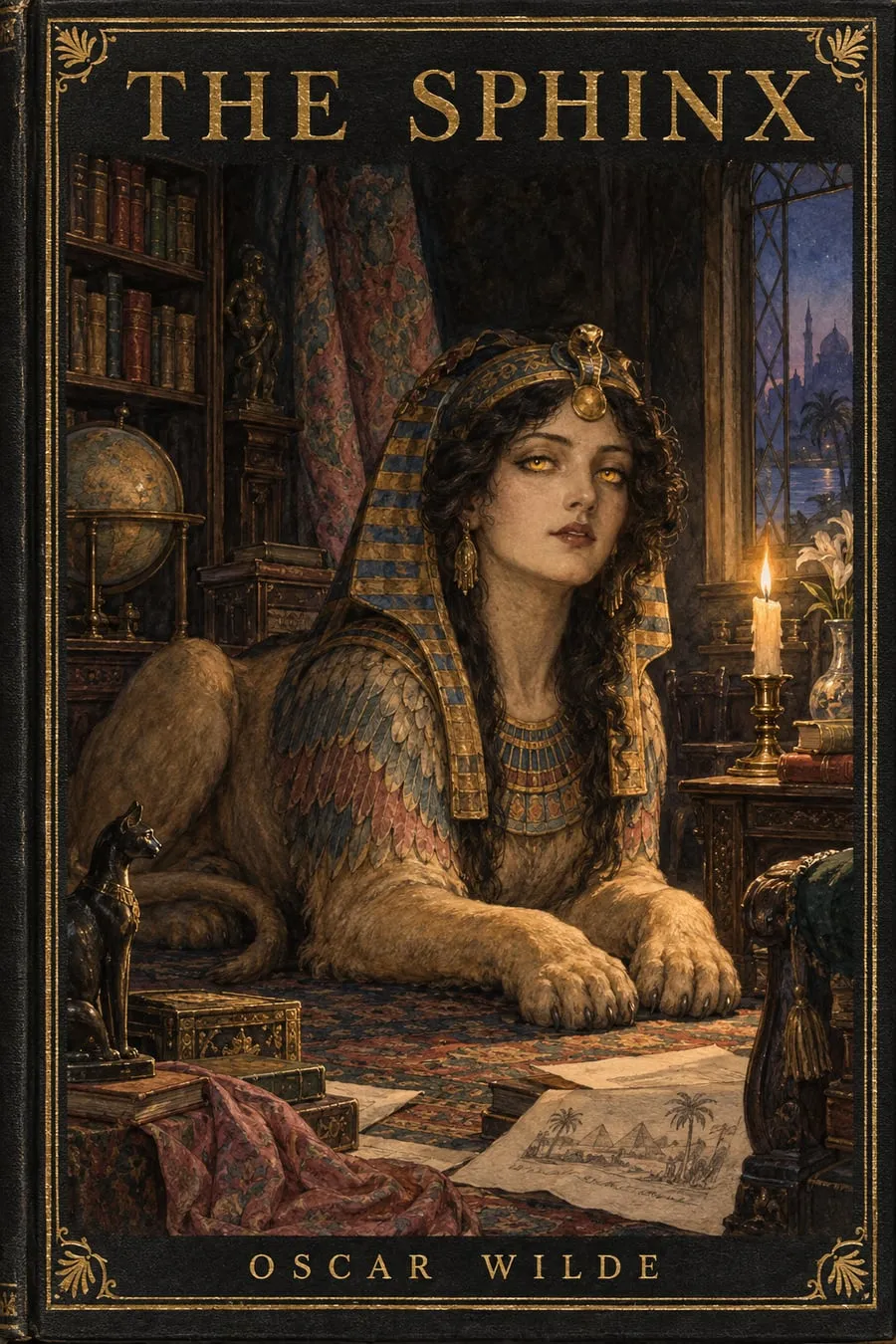 The SphinxA student in his room questions the ancient sphinx that has watched from its corner for a thousand years, and is frightened by what she knows.Read more
 Summary
The poem keeps the shape of a Greek choral ode, with two parts headed in Greek as strophe and antistrophe. In the strophe the cloud maidens, 'Dew-sprinkled, fleet bodies, and fair', call on one another to rise from 'our Sire's loud river, / Great Ocean' and soar through the air to the mountain peaks, where the pines hang 'as tresses of hair'. From there they will seek the watch-towers and the well-watered cornfields, and the rivers haunted by nymphs, where the songs of the sea resound and the sun 'never wearies of spreading his radiance around'. The strophe ends with their wish to cast off the haze of mist, 'Till with far-seeing gaze / We may look on the land.'
In the antistrophe the maidens, now the bringers of the rain-shower, turn to 'the Pallas-loved land', the land of stout heroes 'Where Kekrops was hero and king'. They praise it as a place where the mysteries are kept in honour and silence, where gifts are offered to the gods, where temples rise with lofty roofs and statues 'well carven and fair', and where feasts, sacred processions and garlanded portals fill every season of the year. They close with the spring, when they will dance for the wine-god 'In Bacchanal dance and in pleasure', among the contests of singing choirs and the music of lyres.
Characters
The Cloud Maidens
The singing chorus
The speakers of the poem, 'Dew-sprinkled, fleet bodies, and fair', daughters of Great Ocean who 'float on for ever' and bring the rain-shower. They sing as one voice, first of rising to the mountain peaks to look on the land, then of flying to Athens to share its festivals.
Themes
Height and vision
The clouds move upward and outward. They rise from Ocean to 'the peaks of the pine-covered mountains' and resolve to cast off their haze 'Till with far-seeing gaze / We may look on the land.' The strophe is a view from above, with watch-towers, cornfields, rivers and sea laid out below, and its pleasure lies in that sweeping, airborne sight.
Praise of a sacred city
The antistrophe honours Athens as a city of worship as much as of heroes. It praises 'the mysteries that none may declare', gifts to 'the high gods in heaven', 'lofty roofed temples, and statues well carven and fair', and garlands on the temple portals 'At all seasons and months in the year'. The clouds, divine themselves, admire a city that keeps faith with the gods.
Festival and music
Sound runs through both halves. The strophe hears 'murmurs of rivers nymph-haunted' and 'The songs of the sea-waves', and the antistrophe rises to spring, when the maidens 'tread to the wine-god a measure' among 'sweet singing choirs, / And the crash of loud lyres.' A chorus of singing dancers ends by picturing itself dancing and singing at a festival.
Quotes
"And the sun in the sky never wearies of spreading his radiance around."
The Cloud Maidens
"And the crash of loud lyres."
The Cloud Maidens
Context
The Greek subtitle names the source as Aristophanes' Clouds, lines 275 to 290 and 298 to 313, so the poem is an English version of two passages of a chorus from that comedy. It keeps the structure of the original ode, with the two parts headed in Greek letters as strophe and antistrophe, the paired stanzas of a Greek chorus. The long, rolling lines of the English give the clouds a sense of drifting movement.
About this edition
- Text: the complete work from Standard Ebooks, released into the public domain (CC0 1.0). We change only the layout.
- Download the EPUB of the whole book it comes from, free, for any e-reader.
- Every quotation and glossary word in these notes is checked against the text.