A sinner God cannot sentence
The House of Judgment
"Because in Hell have I always lived"
Poem in prose
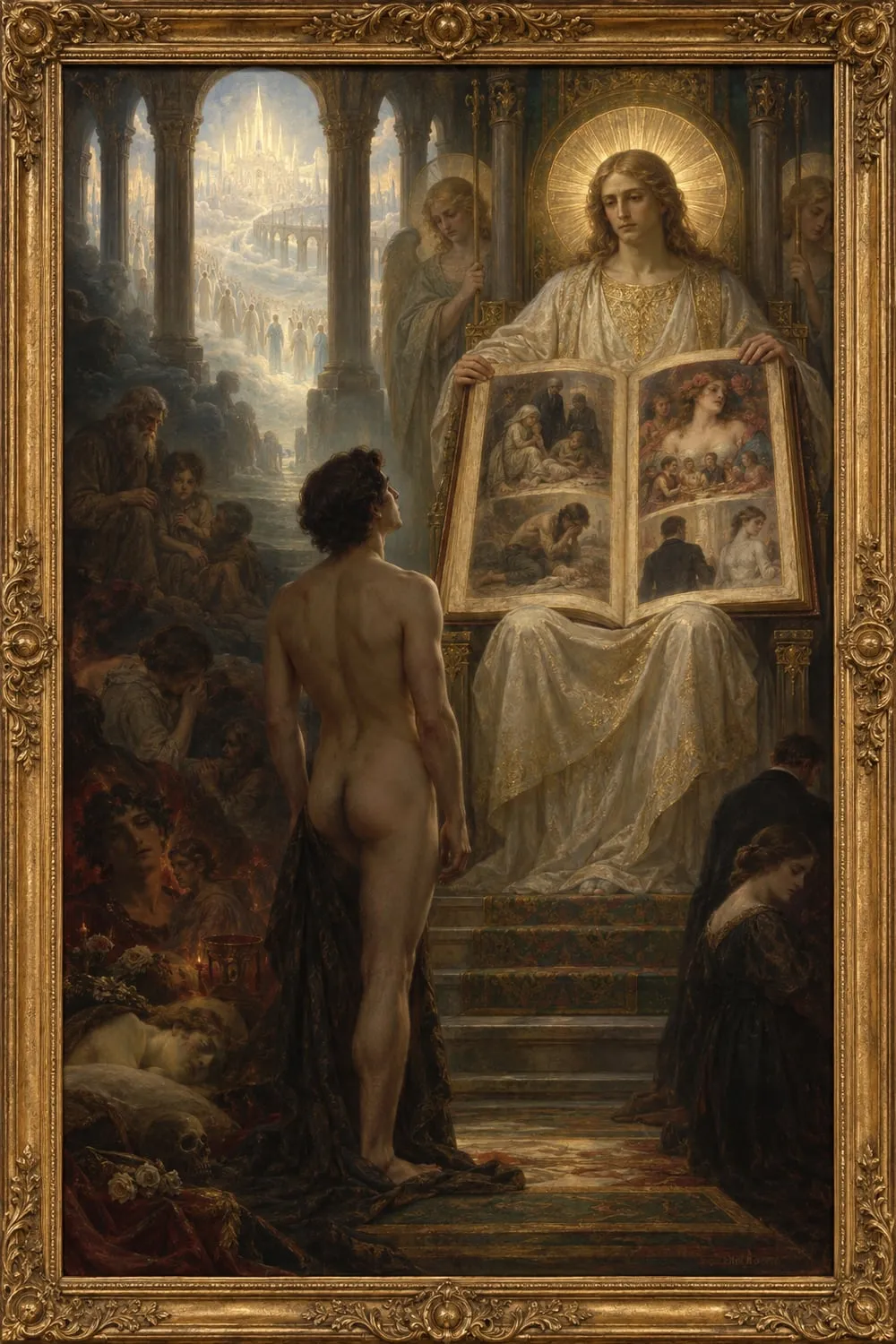
And there was silence in the House of Judgment, and the Man came naked before God.
And God opened the Book of the Life of the Man.
And God said to the Man, “Thy life hath been evil, and thou hast shown cruelty to those who were in need of succour, and to those who lacked help thou hast been bitter and hard of heart. The poor called to thee and thou didst not hearken, and thine ears were closed to the cry of My afflicted. The inheritance of the fatherless thou didst take unto thyself, and thou didst send the foxes into the vineyard of thy neighbour’s field. Thou didst take the bread of the children and give it to the dogs to eat, and My lepers who lived in the marshes, and were at peace and praised Me, thou didst drive forth on to the highways, and on Mine earth out of which I made thee thou didst spill innocent blood.”
And the Man made answer and said, “Even so did I.”
And again God opened the Book of the Life of the Man.
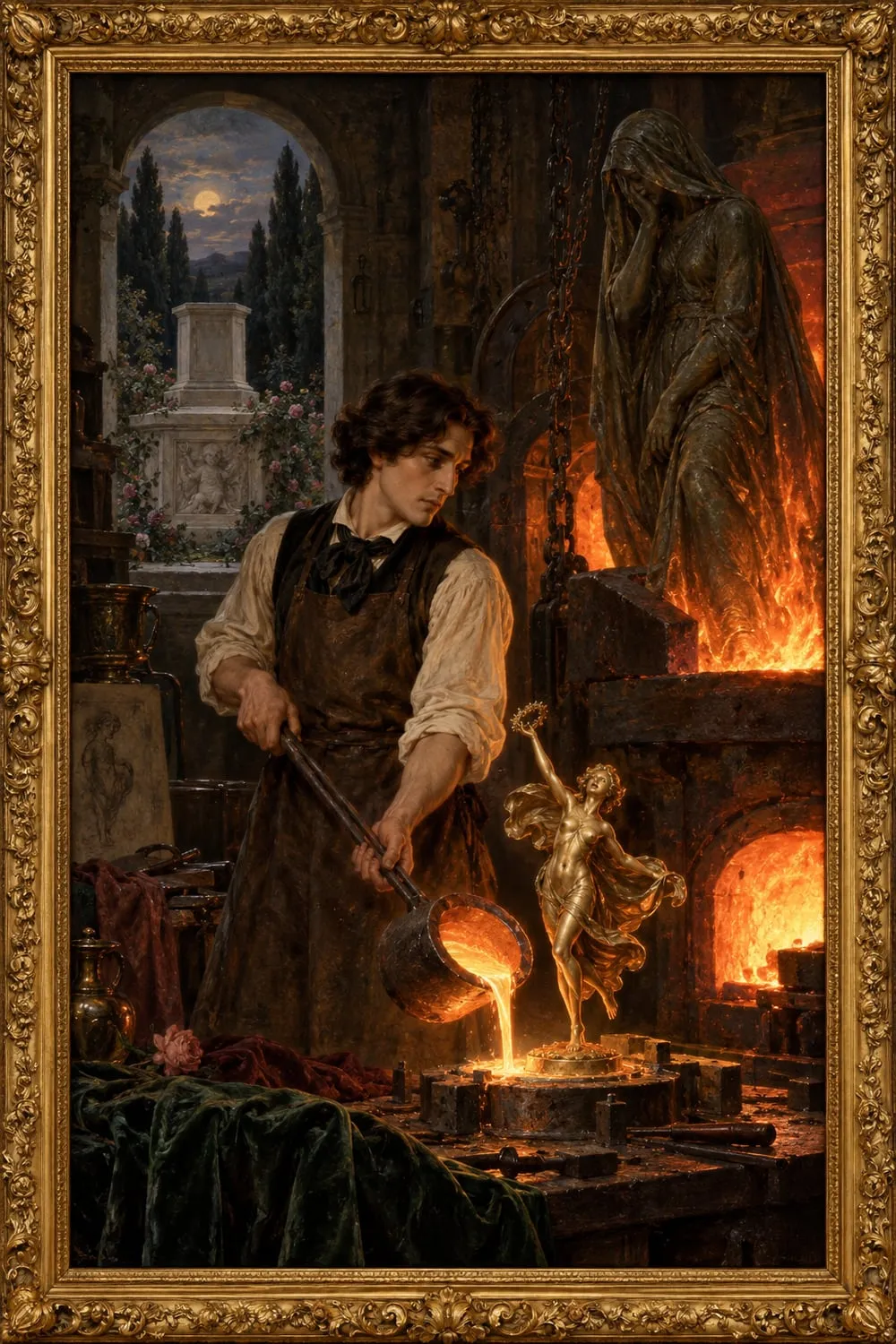
And God said to the Man, “Thy life hath been evil, and the Beauty I have shown thou hast sought for, and the Good I have hidden thou didst pass by. The walls of thy chamber were painted with images, and from the bed of thine abominations thou didst rise up to the sound of flutes. Thou didst build seven altars to the sins I have suffered, and didst eat of the thing that may not be eaten, and the purple of thy raiment was broidered with the three signs of shame. Thine idols were neither of gold nor of silver that endure, but of flesh that dieth. Thou didst stain their hair with perfumes and put pomegranates in their hands. Thou didst stain their feet with saffron and spread carpets before them. With antimony thou didst stain their eyelids and their bodies thou didst smear with myrrh. Thou didst bow thyself to the ground before them, and the thrones of thine idols were set in the sun. Thou didst show to the sun thy shame and to the moon thy madness.”
And the Man made answer and said, “Even so did I.”
And a third time God opened the Book of the Life of the Man.
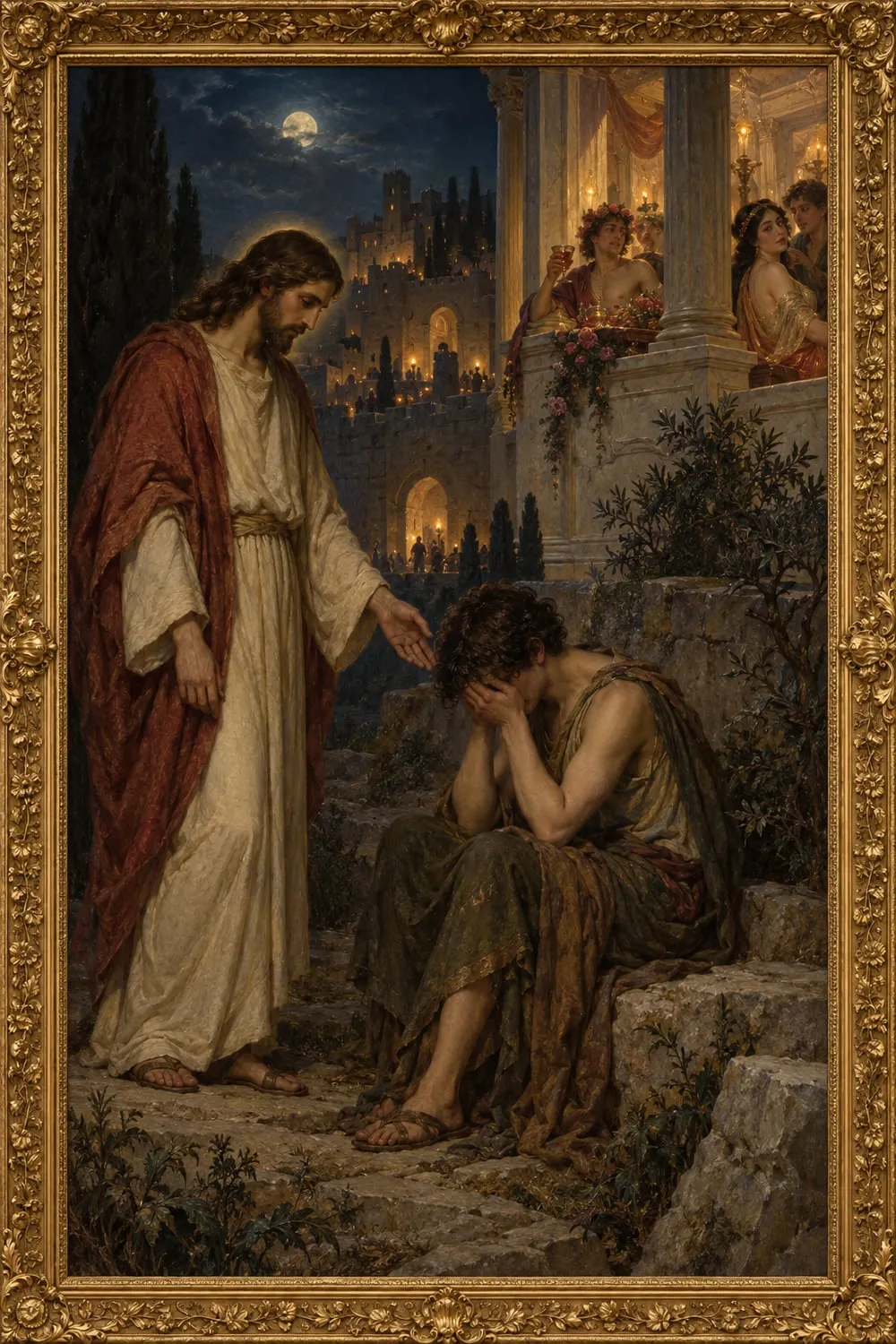
And God said to the Man, “Evil hath been thy life, and with evil didst thou requite good, and with wrongdoing kindness. The hands that fed thee thou didst wound, and the breasts that gave thee suck thou didst despise. He who came to thee with water went away thirsting, and the outlawed men who hid thee in their tents at night thou didst betray before dawn. Thine enemy who spared thee thou didst snare in an ambush, and the friend who walked with thee thou didst sell for a price, and to those who brought thee Love thou didst ever give Lust in thy turn.”
And the Man made answer and said, “Even so did I.”
And God closed the Book of the Life of the Man, and said, “Surely I will send thee into Hell. Even into Hell will I send thee.”
And the Man cried out, “Thou canst not.”
And God said to the Man, “Wherefore can I not send thee to Hell, and for what reason?”
“Because in Hell have I always lived,” answered the Man.
And there was silence in the House of Judgment.
And after a space God spake, and said to the Man, “Seeing that I may not send thee into Hell, surely I will send thee unto Heaven. Even unto Heaven will I send thee.”
And the Man cried out, “Thou canst not.”
And God said to the Man, “Wherefore can I not send thee unto Heaven, and for what reason?”
“Because never, and in no place, have I been able to imagine it,” answered the Man.
And there was silence in the House of Judgment.
In brief
SummaryThe Man stands naked before God in the House of Judgment. Three times God opens the Book of his Life and reads out his sins: cruelty to the poor and the fatherless, the worship of idols of flesh, and betrayal of all who helped or loved him. Each time the Man answers, 'Even so did I.' God declares He will send him into Hell, but the Man says He cannot, for he has always lived in Hell. God then says He will send him to Heaven, and again the Man says He cannot, for he has never been able to imagine it. Silence falls.
Key themes
"Even so did I."
Summary
There is silence in the House of Judgment, and the Man comes naked before God. God opens the Book of the Life of the Man and charges him with cruelty: he closed his ears to the poor, took the inheritance of the fatherless, sent 'the foxes into the vineyard' of his neighbour's field, gave the children's bread to the dogs, drove God's lepers from the marshes onto the highways, and spilled innocent blood. The Man answers, 'Even so did I.'
A second time God opens the Book. The Man sought the Beauty God showed and passed by the Good God hid. He built 'seven altars to the sins I have suffered', and his idols were 'neither of gold nor of silver that endure, but of flesh that dieth', which he perfumed, painted and bowed down before. A third time God reads: the Man repaid good with evil, wounded the hands that fed him, betrayed the outlaws who hid him, sold his friend, and to those who brought him Love gave Lust. Each time the Man answers, 'Even so did I.'
God closes the Book and says, 'Surely I will send thee into Hell.' The Man cries, 'Thou canst not', 'Because in Hell have I always lived.' After a silence God says He will send him to Heaven instead. Again the Man cries, 'Thou canst not': 'Because never, and in no place, have I been able to imagine it.' And there is silence in the House of Judgment.
Characters
The Man
The sinner judged
He comes naked before God and hears three lists of his sins: cruelty, the worship of idols of flesh, and betrayal. He admits each with 'Even so did I.' Yet he defeats both sentences, saying he has always lived in Hell and has never been able to imagine Heaven.
God
The judge
He opens the Book of the Life of the Man three times and reads out the charges in the language of scripture. When the Man refuses Hell, and then Heaven, God asks 'Wherefore', and finds that neither sentence can be carried out.
Themes
Hell as a way of life
The Man's first answer undoes the judgement: 'Because in Hell have I always lived.' Hell is not a place he can be sent to but the state of the life God has just described, a life of cruelty, idolatry and betrayal. No punishment after death could add anything to what his sins have already made of him.
Heaven and the imagination
The second refusal is stranger. God offers Heaven, and the Man again says 'Thou canst not', 'Because never, and in no place, have I been able to imagine it.' Heaven, like Hell, depends on the self: a man who cannot conceive of it cannot enter it. The imagination becomes the measure of what a soul is able to receive.
Confession without excuse
Three times the charges are read, and three times the Man replies only 'Even so did I.' He neither denies nor pleads. This bare acceptance gives him a strange dignity, and it leaves God, not the Man, at a loss. The silences that open and close the story, and that follow the first refusal, mark a judgement that cannot be completed.
Context
The House of Judgment is one of the six Poems in Prose first published together in the Fortnightly Review in July 1894. It is written in the archaic language of the English Bible, with 'thou', 'hath' and 'didst', and built on repetition: the Book is opened three times, the Man gives the same answer three times, and silence frames the whole. Several charges echo scripture, such as the children's bread given to the dogs.
About this edition
- Text: the complete work from Standard Ebooks, released into the public domain (CC0 1.0). We change only the layout.
- Download the EPUB of the whole book it comes from, free, for any e-reader.
- Every quotation and glossary word in these notes is checked against the text.