A wasted lover praises his Lady
La Bella Donna Della Mia Mente
"Pale flower beaten by the rain!"
Poem
My limbs are wasted with a flame,My feet are sore with travelling,For, calling on my Lady’s name,My lips have now forgot to sing.
O Linnet in the wild-rose brakeStrain for my Love thy melody,O Lark sing louder for love’s sake,My gentle Lady passeth by.
She is too fair for any manTo see or hold his heart’s delight,Fairer than Queen or courtesanOr moonlit water in the night.
Her hair is bound with myrtle leaves,(Green leaves upon her golden hair!)Green grasses through the yellow sheavesOf autumn corn are not more fair.
Her little lips, more made to kissThan to cry bitterly for pain,Are tremulous as brook-water is,Or roses after evening rain.
Her neck is like white meliloteFlushing for pleasure of the sun,The throbbing of the linnet’s throatIs not so sweet to look upon.
As a pomegranate, cut in twain,White-seeded, is her crimson mouth,Her cheeks are as the fading stainWhere the peach reddens to the south.
O twining hands! O delicateWhite body made for love and pain!O House of love! O desolatePale flower beaten by the rain!
In brief
SummaryA lover, worn out with passion and with travel, has called on his Lady's name so often that he has forgotten how to sing. He asks the linnet and the lark to sing for her as she passes, then describes her beauty feature by feature: golden hair bound with myrtle, lips that tremble like brook-water, a neck like white melilot, a mouth like a cut pomegranate, cheeks like a ripening peach. In the last stanza praise turns to pity, as he calls her a 'House of love' and a 'desolate Pale flower beaten by the rain'.
Key themes
"My limbs are wasted with a flame,"
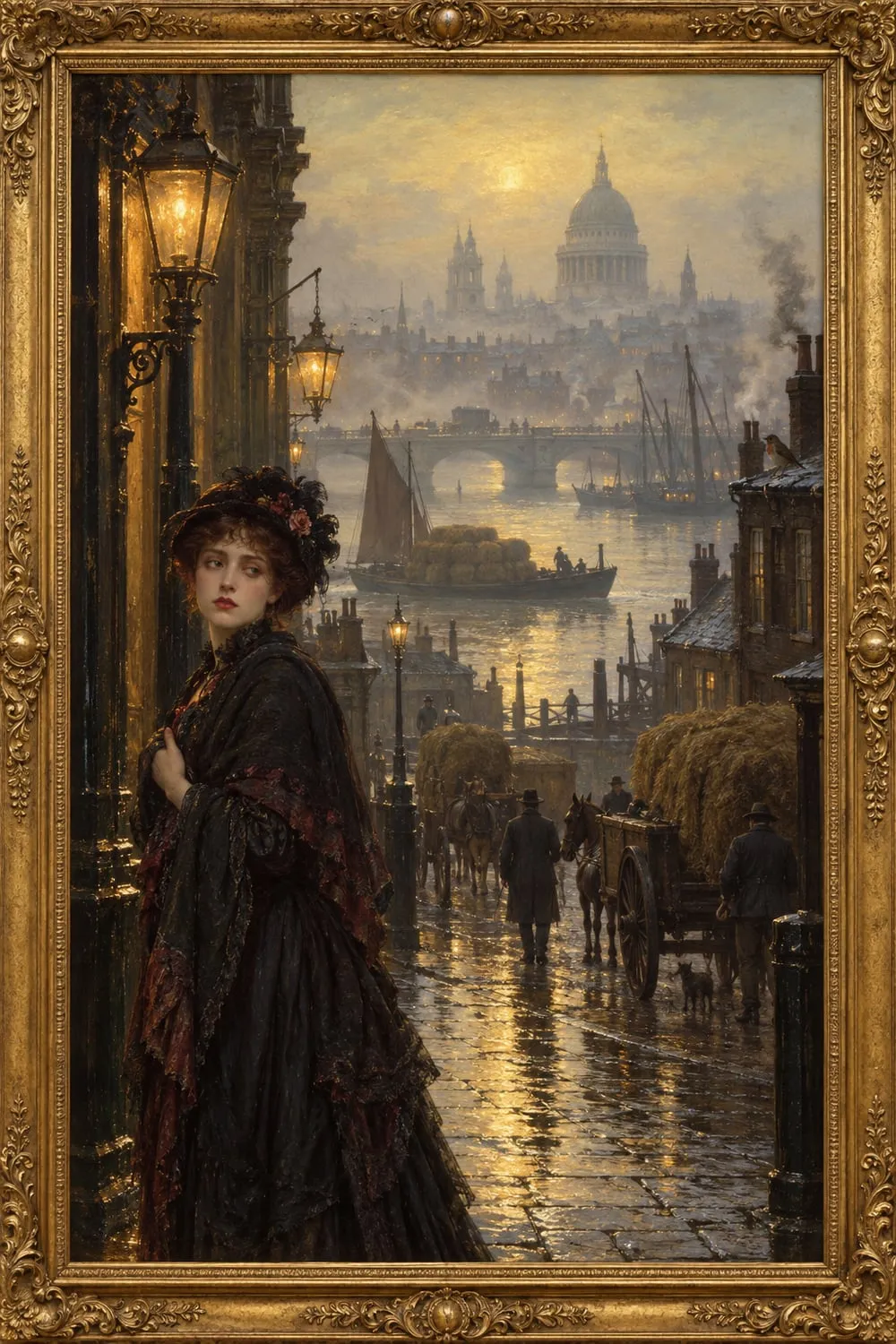
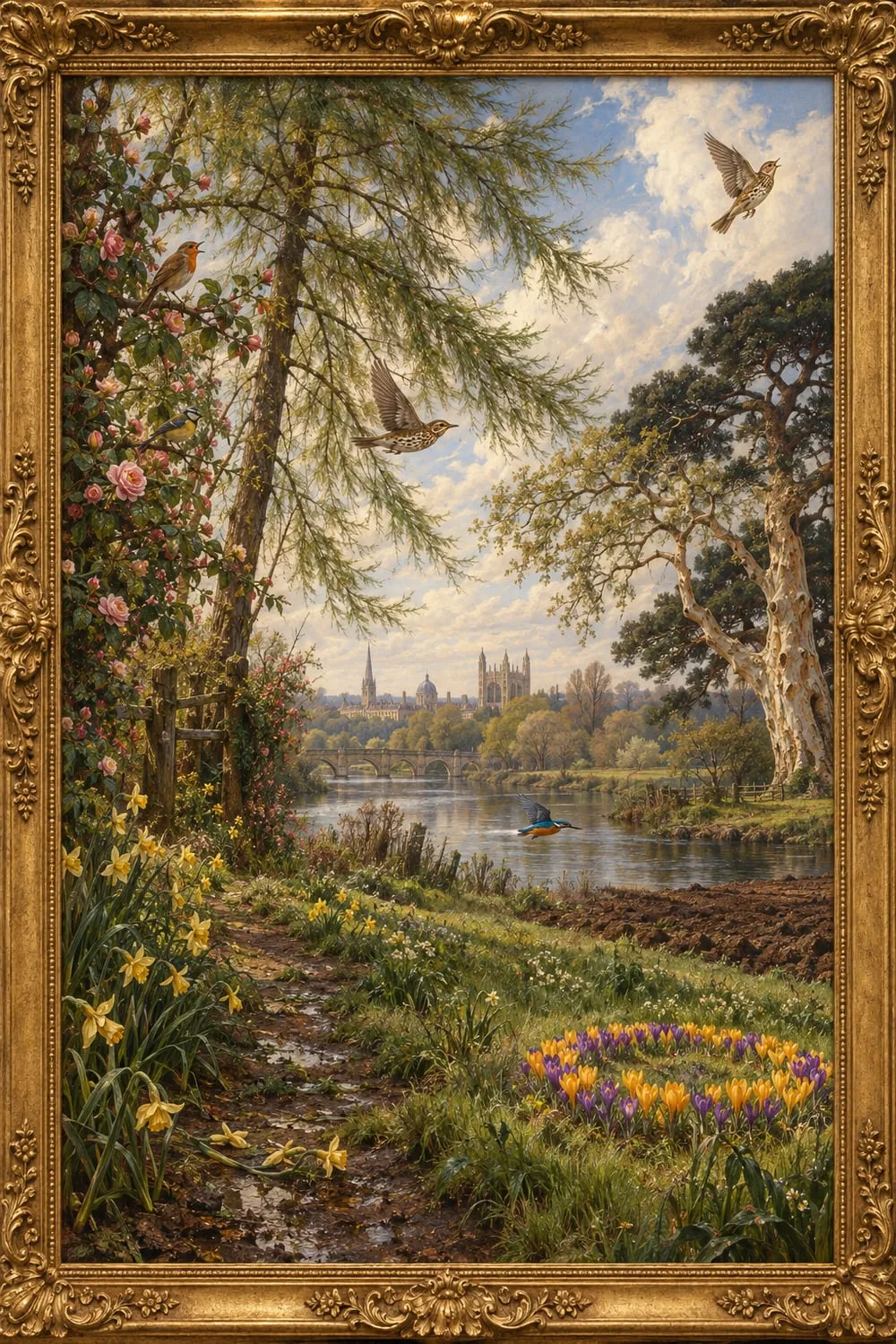
Summary
The Italian title means 'the beautiful lady of my mind'. In the first stanza the speaker's limbs 'are wasted with a flame', his feet are sore with travelling, and calling on his Lady's name has made his lips 'forget to sing'. So in the second he asks the linnet in the 'wild-rose brake' and the lark to sing for him: 'My gentle Lady passeth by'. In the third she is 'too fair for any man', fairer than a queen, a courtesan or 'moonlit water in the night'.
The next four stanzas are a portrait. Her golden hair is bound with myrtle leaves, lovelier than green grass through 'the yellow sheaves Of autumn corn'. Her 'little lips' are 'more made to kiss Than to cry bitterly for pain', and tremble like brook-water or 'roses after evening rain'. Her neck is 'like white melilote' flushing in the sun, sweeter to see than a singing linnet's throat. Her mouth is like a pomegranate 'cut in twain', white-seeded and crimson, and her cheeks are like the red on a peach where it faces the south.
The final stanza changes tone. The cries 'O twining hands! O delicate White body made for love and pain!' lead to 'O House of love! O desolate Pale flower beaten by the rain!' The Lady who passed by in beauty is last seen as something fragile and hurt, and the poem ends on pain rather than praise.
Characters
The speaker
The love-worn traveller
A lover whose limbs are 'wasted with a flame' and whose feet are sore from travelling. He has called on his Lady's name so often that he can no longer sing, so he asks the birds to sing for her, then praises her himself in a long, lingering portrait.
The Lady
Beauty made for love
The 'Bella Donna' of the title, 'too fair for any man', with golden hair bound in myrtle, trembling lips, a neck like white melilot and a mouth like a pomegranate. She passes by without a word, and the poem's last image of her is a 'Pale flower beaten by the rain'.
Themes
Love as a wasting fever
The poem opens with a lover consumed: 'My limbs are wasted with a flame, My feet are sore with travelling'. Love has taken even his voice, for 'My lips have now forgot to sing', and he must ask the birds to sing in his place. Desire here is a fever that uses up the body, and it prepares for the final picture of the Lady herself 'beaten by the rain'.
The body as a garden
The portrait describes the Lady almost entirely through plants and fruit: myrtle leaves in her hair, 'yellow sheaves' of corn, 'roses after evening rain', 'white melilote', a pomegranate 'cut in twain', a peach reddening 'to the south'. The images are sensuous, full of colour and ripeness. They make her beauty natural and seasonal, which is also why it can fade like a 'Pale flower'.
Pleasure and pain
The poem keeps pairing love and suffering. Her lips are 'more made to kiss Than to cry bitterly for pain'; her body is 'made for love and pain'. The final stanza turns the admiring portrait into pity: 'O desolate Pale flower beaten by the rain!' The same beauty that invites love exposes her to hurt, and the poem does not separate the two.
Quotes
Context
La Bella Donna della mia Mente belongs to the Wind Flowers group of Wilde's Poems (1881). Its Italian title means 'the beautiful lady of my mind'. It is written in eight four-line stanzas rhyming abab, and much of it is a formal catalogue of the lady's beauties, each compared in turn to leaves, flowers or fruit.
About this edition
- Text: the complete work from Standard Ebooks, released into the public domain (CC0 1.0). We change only the layout.
- Download the EPUB of the whole book it comes from, free, for any e-reader.
- Every quotation and glossary word in these notes is checked against the text.